Cupping massage
Cupping combined with massage — speeds up lymph flow, releases tension and opens the airways.
WHAT IS IT?
The different forms of cupping therapy are cupping massage and leaving cups on the body. The special feature of the therapy is the vacuum created with the cups.
HOW IS IT DONE?
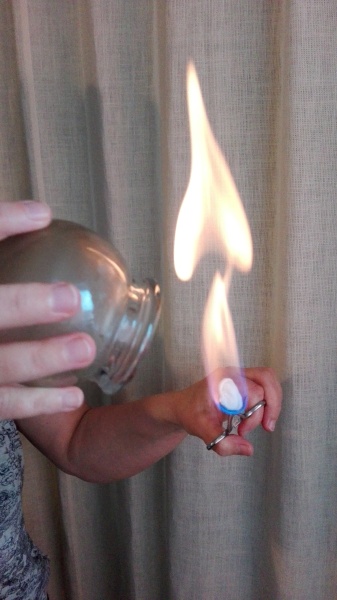
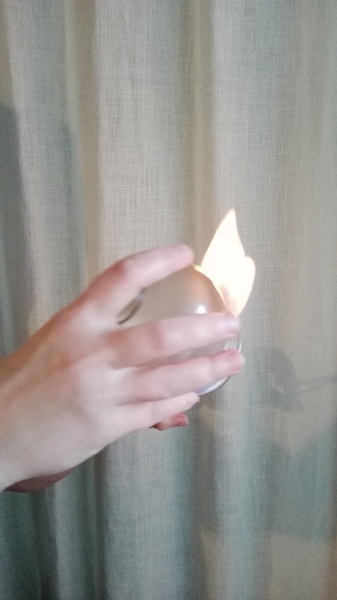
Today, cups of different materials (rubber, silicone, glass, bamboo, animal horn or clay) and different sizes are in use. Cups are placed on muscles, joints and various acupuncture points. In traditional cupping therapy (cup placement), glass cups are usually used, which are placed on the skin after a vacuum has been created inside the cup using burning material. In cupping therapy, the cups are left to sit on the body for 5-15 minutes.
Modern vacuum cups have a pump for evacuating the air. Today, cupping massage has developed out of cup placement, and it is combined with hand massage. The most comfortable cups for massaging are silicone cups, in which the vacuum is not too strong, but glass cups are also used. In a silicone cup, the vacuum is created by squeezing as much air as possible out of the soft cup placed on the skin.
The massaging effect is achieved by the vacuum created with the cup. The cup draws in a great deal of soft tissue, muscle and skin, both vertically and horizontally. Cups are not recommended on bony areas, e.g. ribs and spine.
WHAT IS IT FOR?
The created vacuum lets us work more intensively on both surface soft tissues and deep muscles and tissues. Lymph and blood circulation improve throughout the body, as do the work of the internal organs and blood supply, and the functional activity of the skin rises. The vacuum created by the cup pushes white and red blood cells out of the blood vessels, which the body interprets as an outside influence and therefore mobilises the immune system more strongly in the affected area. Waste products are flushed out faster and blood pressure rises, and the flow of body fluids increases. Blood and lymph circulation accelerate throughout the body, so metabolic processes also speed up.
The massage balances the body's hormonal balance. Hormones regulate thermoregulation, stress, hunger, fluid balance and amount and chemical composition, infections, bleeding, growth and the development of organs.
The nervous system controls muscle work and the transmission of nerve impulses, so sleep improves and internal tension decreases.
Resistance to illness grows stronger. For strengthening immunity, 1 massage session per week is suitable. Cupping massage is particularly effective as a prophylactic against colds.
Cups can be very useful in the recovery phase of respiratory diseases, pneumonia and bronchitis. Cups encourage inflammation to pass more quickly, help flush out accumulated mucus and fluids, and activate the work of the airways.
After facial nerve paralysis, cupping massage on the face area is recommended.
The vacuum trims the skin and cleans the pores, raises the skin's protective and regenerative capacity, and increases the response of the acupuncture points.
A strong vacuum reduces muscle tension. In addition to working on the skin, muscles and connective tissue, cups can also be placed on joints, improving their mobility and reducing pain. On joints the cups are not moved.
Cups are generally effective for treating various pains: neck, back and joint pain, tension-related headache. Cupping massage also works well on cellulite. In addition, cupping massage has a good psycho-emotional effect, leaving you feeling as if you had had a strong session in the sauna.
COMMON COMPLAINTS THAT CAN BE EASED WITH CUPPING THERAPY:
• chronic muscle and joint conditions
• various pain syndromes (abdominal, dental, headache)
• shoulder girdle and back pain
• bronchitis, asthma (in the case of the latter, consult your doctor)
• pneumonia (once the fever has gone down)
• insomnia
• circulation problems
• build-up of waste products in the body
• weak immune system
• cellulite
• stretch marks
• intestinal problems
• depression
• menopause-related complaints in men and women
• reducing swelling (especially effective on knees and other joints)
CUPPING IS NOT SUITABLE IF YOU HAVE:
• fever
• acute trauma
• heart, liver or kidney failure
• malignant tumours
• infectious diseases
• overly high or low blood pressure
• thyroid diseases
• cardiovascular diseases
• acute inflammation
• abdominal area during menstruation
• blood clotting disorders
• if it has been less than 3 months since surgery
• during pregnancy, not suitable on the belly and lower back
• joint prostheses (cups are not recommended on that joint area)
CONSULT YOUR DOCTOR BEFORE THE THERAPY IF YOU HAVE:
• skin conditions (psoriasis, allergic rash, birthmarks raised above the skin surface, inflammatory and purulent skin conditions, open wounds, eczema, varicose veins)
• asthma
• benign tumours
• general exhaustion
• depression, strong stress
GOOD TO KNOW
Cupping therapy can be painful and round bruises or ladybird-like spots are left on the body, which fade in a few days. After a session you may feel hot or cold. Cupping therapy and cupping massage have a stronger after-effect than most types of massage. These signs are normal and pass soon. Tiny wounds remain from wet cupping, which heal within a few weeks. For a couple of days, drink twice as much water as usual. Definitely do not plan cupping treatment before training or any serious exertion. There is a risk of dizziness and sudden bouts of fatigue. Rest for at least 2 hours afterwards. The after-effect is usually stronger after the first session.
HISTORY
Traditional cupping is divided into "dry" and "wet" cupping. In "wet" cupping, a tiny wound is made in the skin before the cup is placed, so that a small amount of blood flows into the cup. This method removes harmful substances and toxins from the body.
The Chinese and Arabs have used cupping for thousands of years. In Chinese medicine, the use of cups in treating illnesses is still very important. The aim of placing cups is to promote the movement of energy and blood in the channels and to remove external disease-causing factors. Cups are considered particularly effective for treating pains caused by blood or energy (qi) stagnation.
Wet cupping was already practised around 3300 BCE in Egypt and in Mediterranean lands. In Finland, wet cupping is still very popular. In Estonian folk medicine, cupping also had its established place.